
DEXA Body Composition Analysis
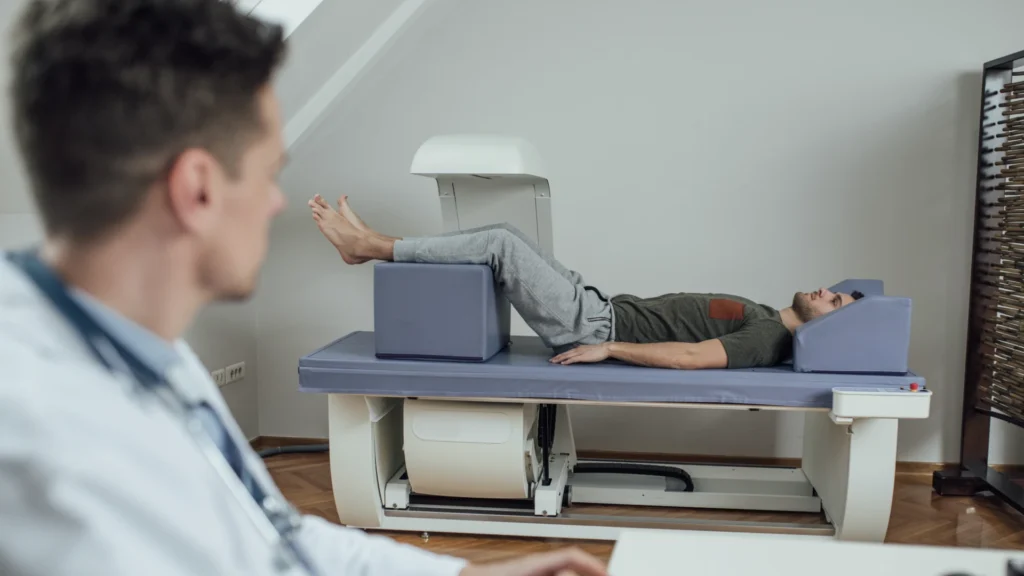
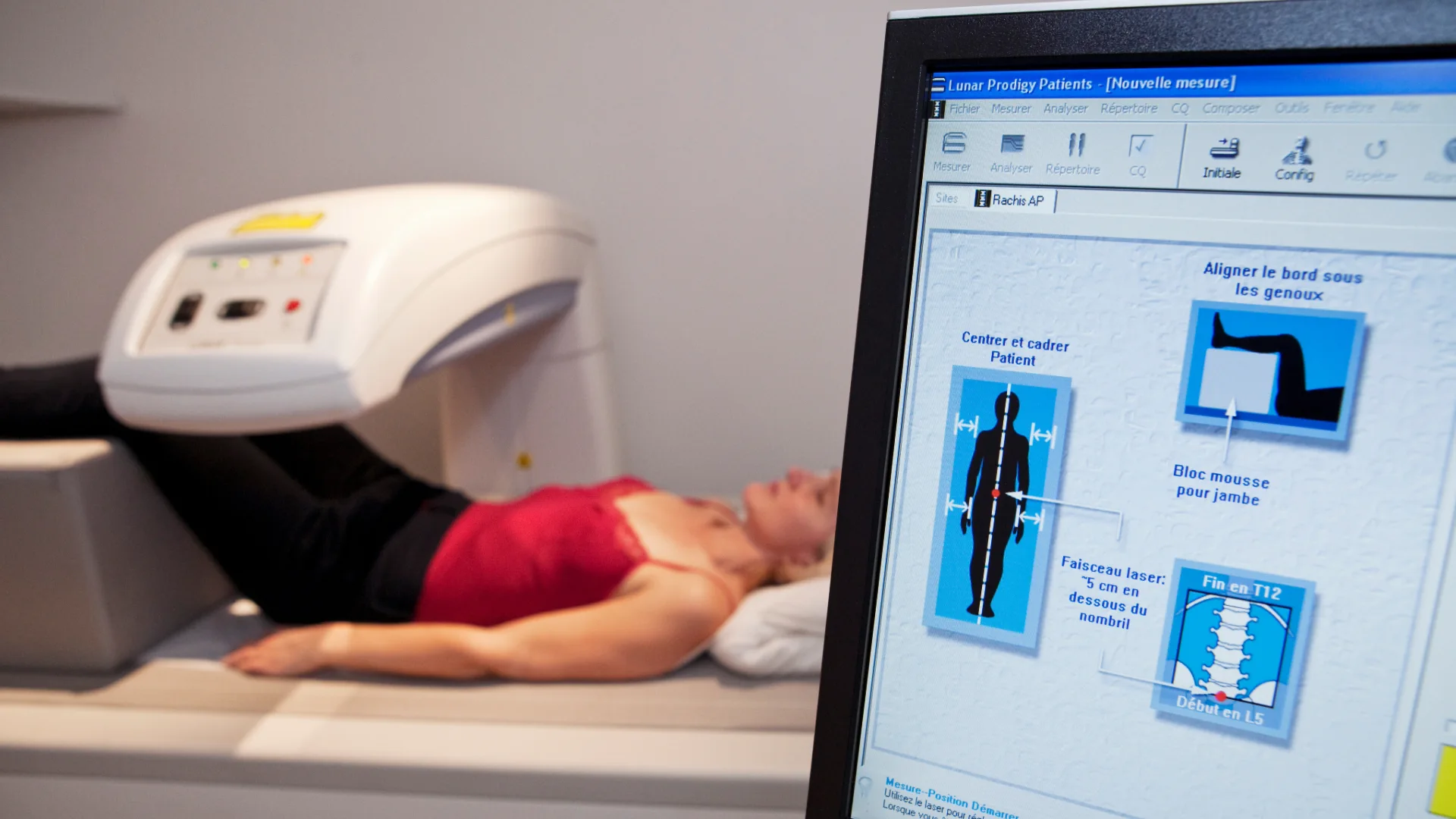
A DEXA scan is a quick, non-invasive imaging test that provides accurate measurements of body fat, muscle mass, and bone density. This advanced technology uses low-level X-rays to analyze your body composition with exceptional precision, offering a far more detailed picture than a basic scale or BMI.
The scan reveals how fat and lean muscle are distributed throughout the body, how much visceral fat surrounds your organs, and whether your bones show early signs of weakness or osteoporosis.
Schedule Your consultation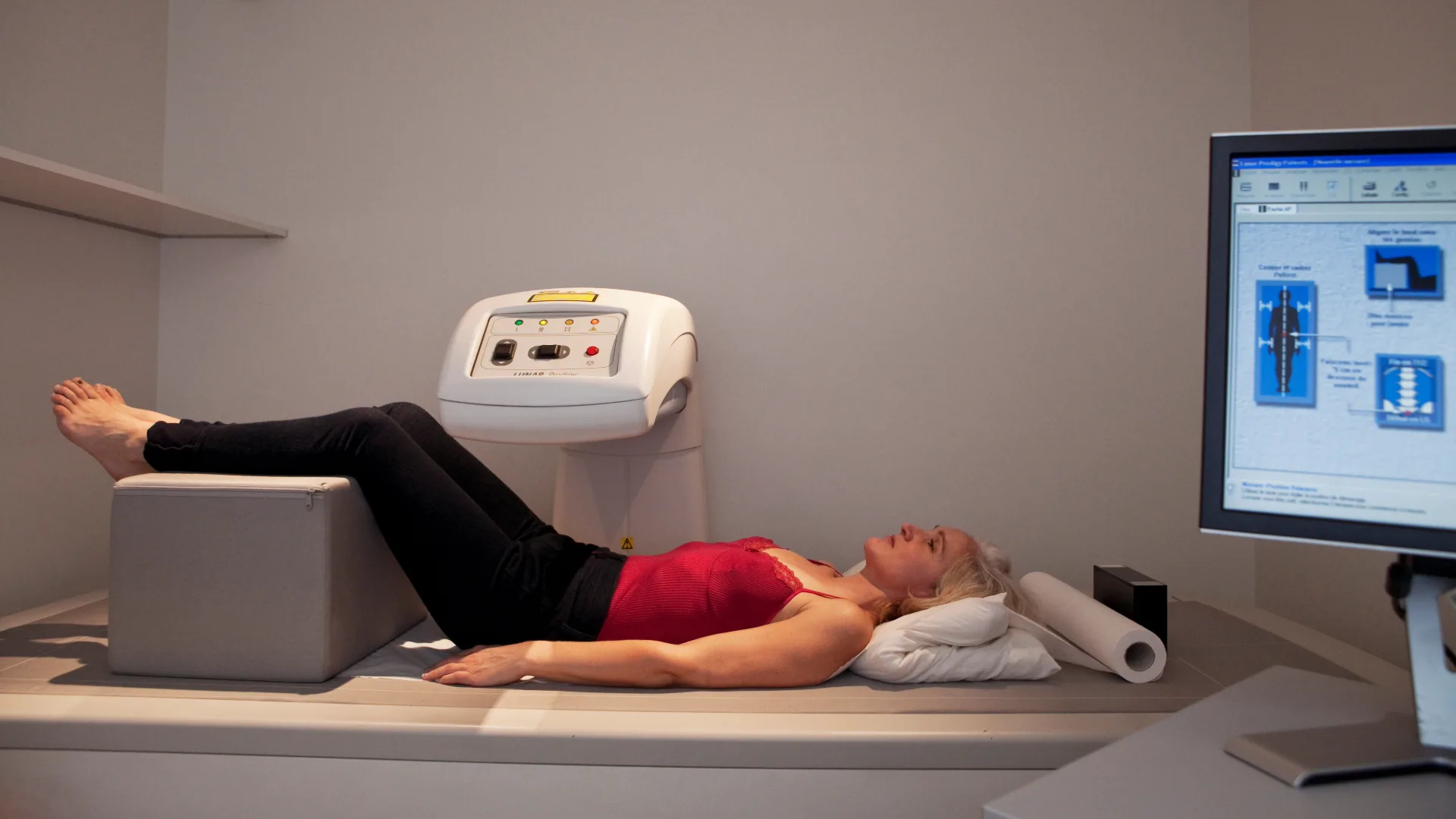
What Is DEXA Scan?
A DEXA scan (Dual-Energy X-ray Absorptiometry) is a quick, non-invasive imaging test that provides a detailed picture of your body composition. It measures:

Total and regional body fat percentage
Lean muscle mass distribution
Visceral fat, which is the fat located around your internal organs
Bone mineral density (BMD), which is used to assess osteoporosis risk
Benefits of DEXA Body Composition Testing
Track fat loss and muscle gain with confidence
Detect early signs of bone loss or osteoporosis
Monitor hormone therapy or menopause-related changes
Adjust training and nutrition plans based on real data
Support long-term health, strength, and metabolism
Who is a good candidate for a DEXA Scan?
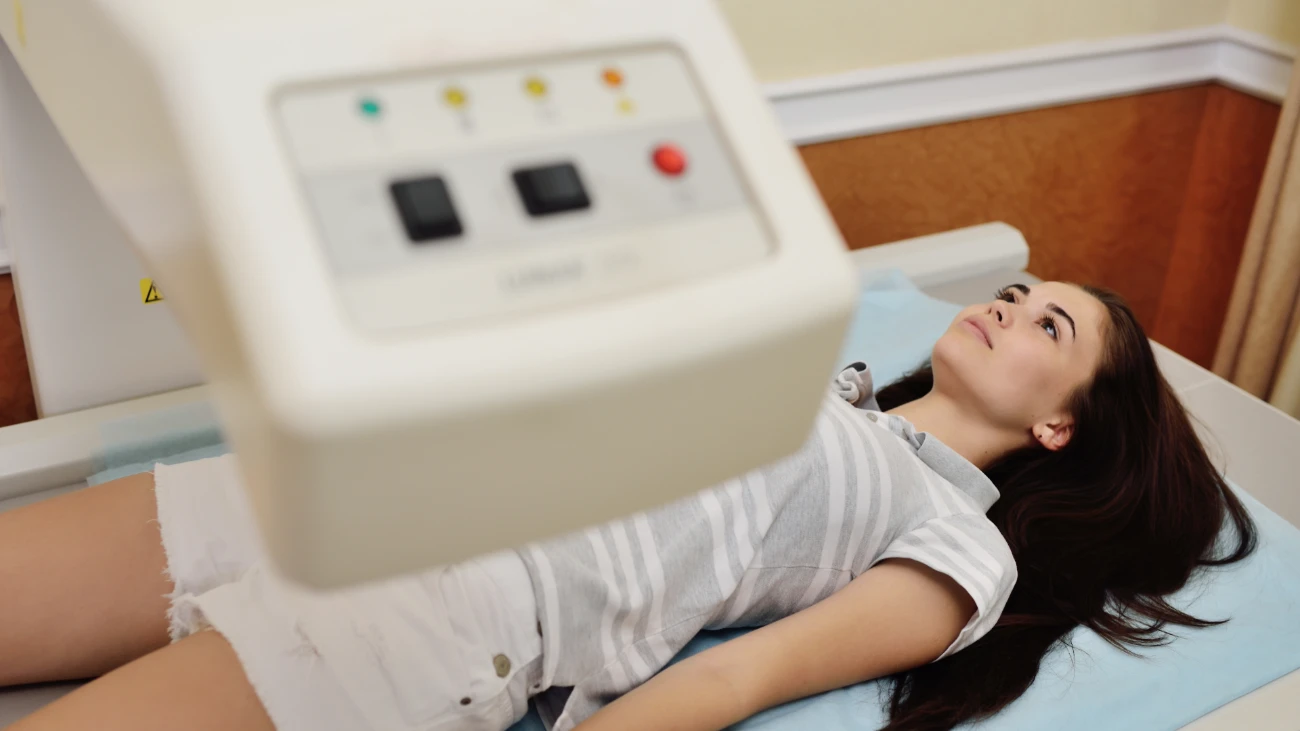
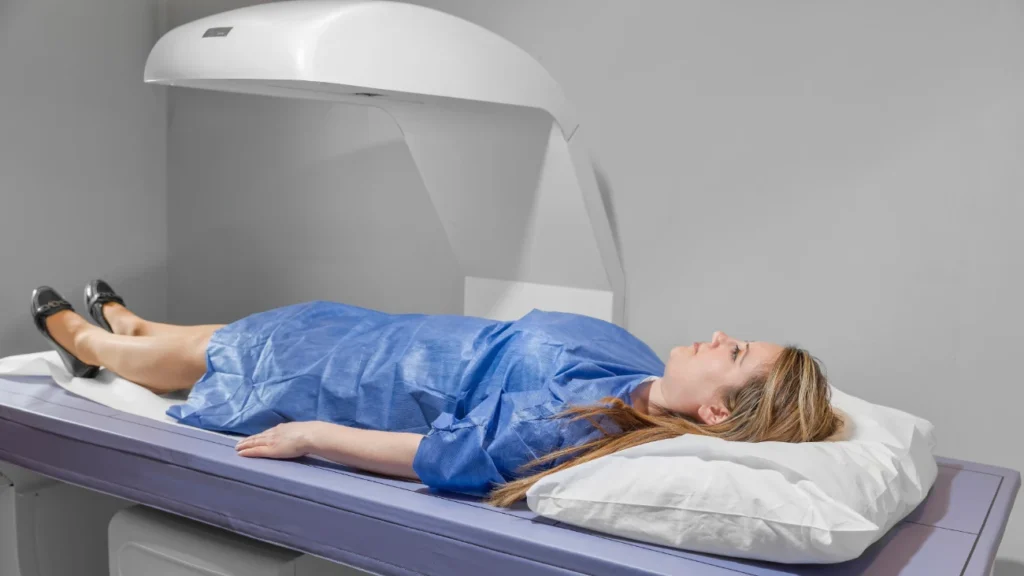
DEXA scans are ideal for a wide range of individuals, including:
- Men and women looking to monitor fitness progress
- Anyone working toward weight loss or muscle gain
- Individuals concerned about bone health or family history of osteoporosis
- Patients beginning hormone therapy or wanting to measure progress over time
- People who want a more personalized approach to health and longevity
How DEXA Supports Other Treatments
A DEXA scan pairs perfectly with many of our wellness and aesthetic services. It offers valuable insights for those starting hormone therapy, weight loss programs, or body health treatments like Trusculpt 3D and Accufit.
By tracking fat, muscle, and bone density, DEXA helps measure real progress and fine-tune your personalized plan, so you get the most out of every treatment.
Why Choose Park City Medesthetix for Your DEXA Scan?
In-office convenience, right at Kimball Junction in Park City, Utah
Fast, safe, and low-radiation procedure
Clinically accurate results
Expert guidance on how to use your data for better health outcomes
DEXA Body Composition Analysis
$149
(10–30 minutes per session)
- Bone Density Scan Only (commonly used for osteoporosis screening): About 10 to 15 minutes
- Full Body Composition Scan (includes fat, lean mass, and bone metrics): Typically 20 to 30 minutes
Request A Consultation
Schedule a consultation with our expert providers to discuss your aesthetic needs.
Schedule Your Consultation